International Journal of Textile Engineering and Management

Sustainable Textiles from Agro-Waste: Development and Performance Evaluation of Pineapple Leaf Fiber (PALF) Blended Yarns and 100% Cotton

Md. Salman Rabbe Chy, Ragib Mahbub, Md Kowsar Alam ,Engr. Md. Abu Sayed
First published: January 26, 2026

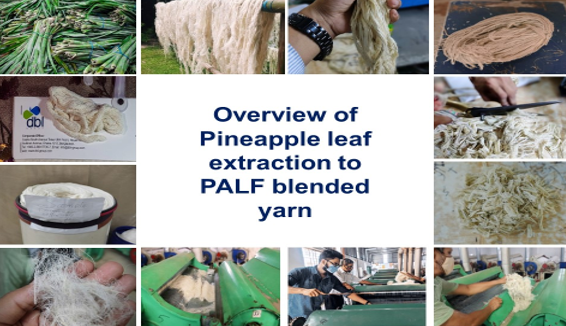
This study evaluates PALF–cotton and PALF–polyester yarns, produced via conventional ring spinning, against 20 Ne 100% cotton, assessing key Uster® parameters including unevenness, CVm%, hairiness, defects, and elongation.


Enhancing Operational Efficiency and Sustainability: A Case Study on 6S Implementation in a Jute Spinning Facility

Md. Mehedi Hasan Niloy, Shoaib Islam Zico, Rafid Ahmed Chowdhury, Syed Redwanul Islam, Mohammad Iqbal, Elias Khalil
First published: January 01, 2026

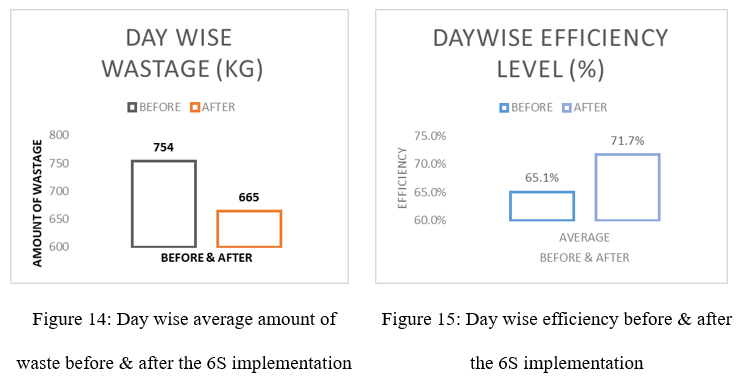
The study examines the integration of 6S principles—Sort, Set in Order, Shine, Standardize, Sustain, and Safety—into a traditional jute spinning facility in Bangladesh to enhance efficiency and sustainability.


The Influence of Humidity Control on Jute Yarn Quality: A Path Toward Sustainability

Md Mehedi Hasan Niloy, Shoaib Islam Zico, Rafid Ahmed Chowdhury, Mahmudul Hasan Perves, Elias Khalil
First published: January 01, 2026

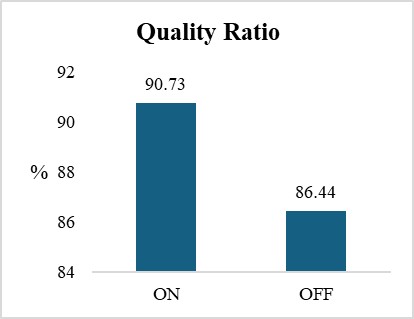
This study examines the impact of a humidity control system on jute yarn quality during spinning, focusing on yarn count, breaking strength, moisture content, quality ratio and twists per inch (TPI).

Repetitive Upcycling of Waste Flax Fibre: A Circular Economy and Sustainability Approach in Yarn Manufacturing

Khen Maung, Mohammad Ali, Md. Musa Miah
First published: April 15, 2025

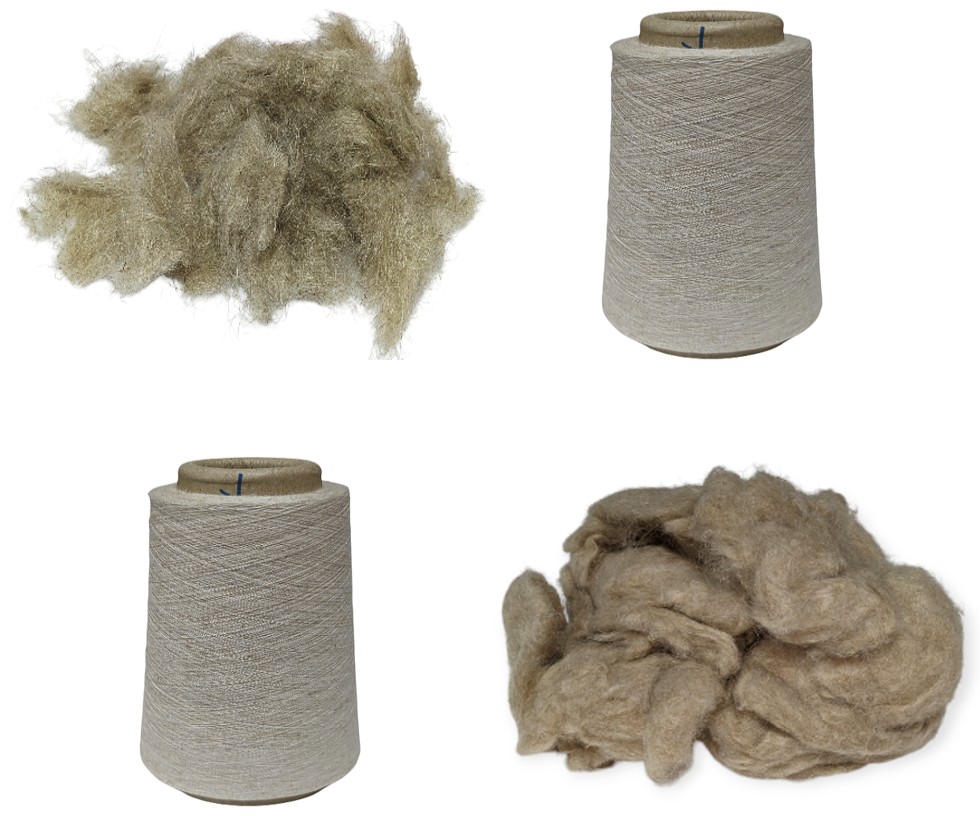
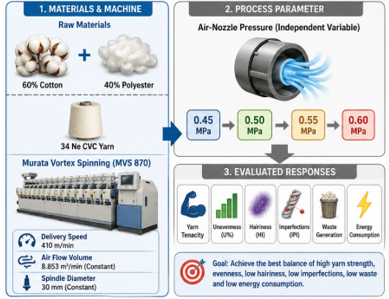
The study successfully revealed a process waste management technique to develop a circular economy with industrial-scale economic benefits by turning low-value fibre waste into valuable yarns.


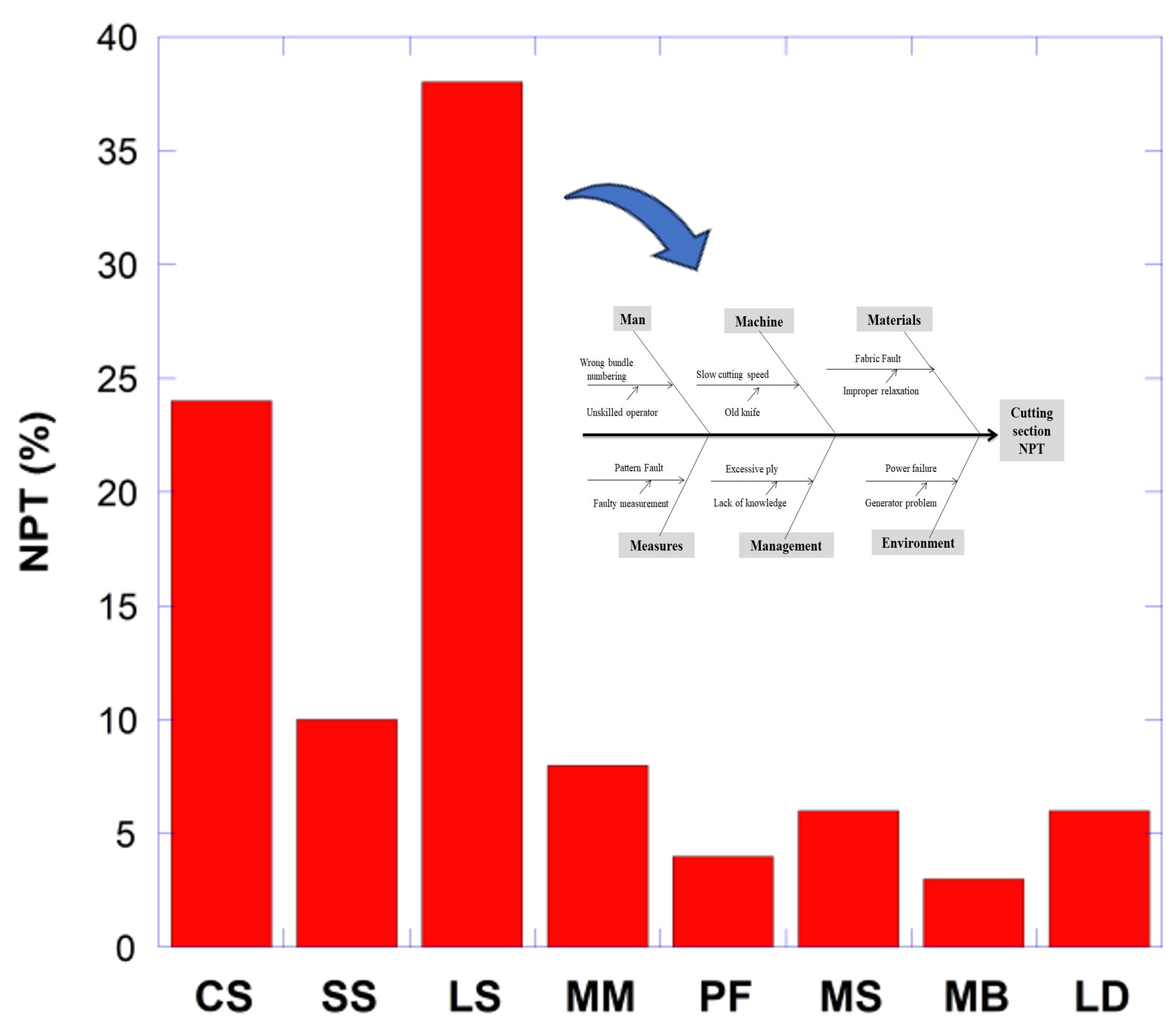
Reduction of Non-Productive Time in Apparel Manufacturing: A Garment Factory Case

Rimsa Taimy, Shafiullah Khan
First published: March 30, 2025

The study highlights the importance of precise time measurements and workflow analysis in identifying and eliminating non-productive time in garment manufacturing.


Prediction of Bursting Strength and Pilling Rating of Three Thread Fleece Fabric Using Artificial Neural Network

First published: December 30, 2024

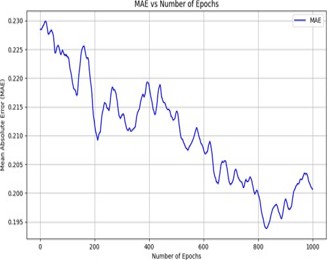
Figure of Training error curve (MAE) of BP Model for Bursting Strength of three thread Fleece Fabric with varying Stitch length, Grams per square meter (GSM), yarn counts and twist per inch. 


Effect of Acid Wash on Appearance and Physical Properties of Terry and Interlock Knitted Dyed Garment

First published: December 27, 2024

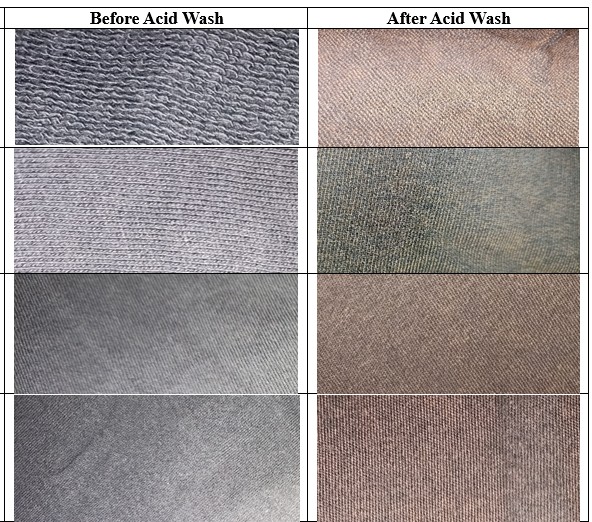
Color change of garments before and after Acid wash Garments of two kinds, a terry (100% cotton), and an interlock (100% cotton).


Dye Extraction from Mango Peel and Dyeing of Cotton, CVC and Viscose Fabric Using Extracted Mango Peel Dye and Natural Mordant

First published: December 24, 2024

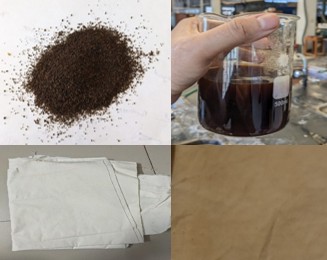
Image of the extracted natural dyes from mango peel and apply them on three different fabrics (cotton, Chief Value Cotton, Viscose) to compare which fabric is more suitable for Tannin mordant.


Mechanical Characterization of Jute/Epoxy Symmetric Cross-ply Composite Laminate

First published: December 23, 2024

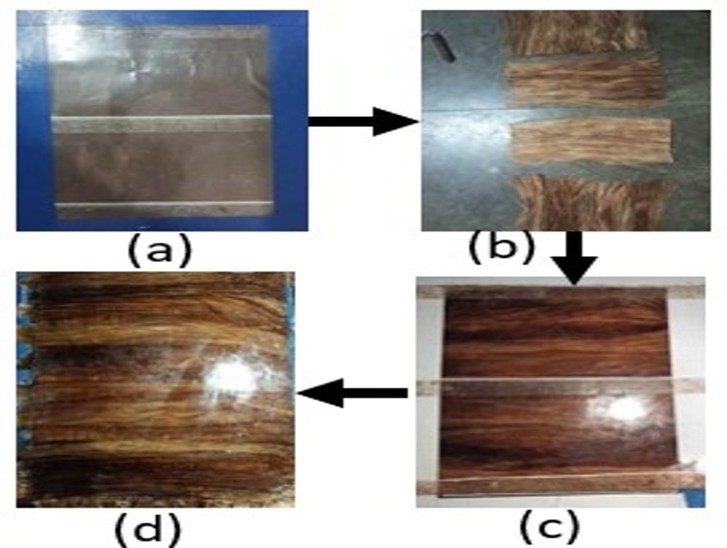
Illustration of the Composite Preparation, Frame Preparation (a), Jute Fibre Layers (b), Resin Application (c), Final Composite (d).


Power Consumption of Ring Spinning Frame Using Plastic T-in Cylinder

First published: November 07, 2024

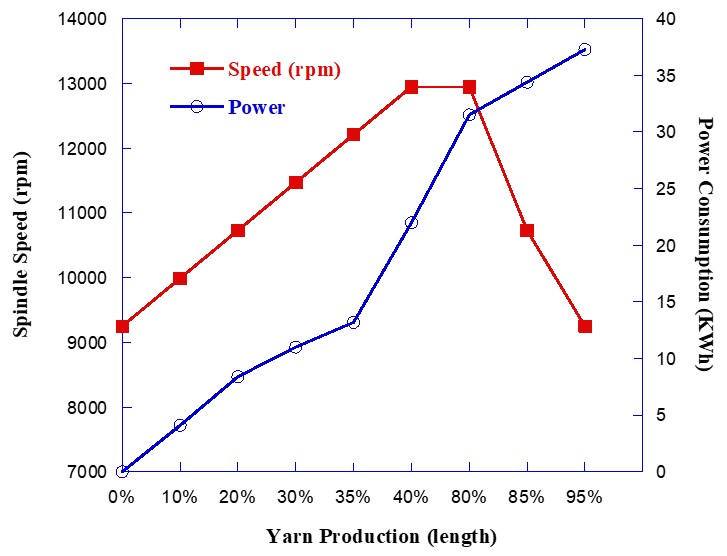
Graph showing power consumption of Ring Frame against the controlled pattern of spindle speed.


Power Consumption of Ring Spinning Frame Using Plastic T-in Cylinder

First published: November 07, 2024

Graph showing power consumption of Ring Frame against the controlled pattern of spindle speed.


Repetitive Upcycling of Waste Flax Fibre: A Circular Economy and Sustainability Approach in Yarn Manufacturing

Khen Maung, Mohammad Ali, Md. Musa Miah
First published: April 15, 2025

The study successfully revealed a process waste management technique to develop a circular economy with industrial-scale economic benefits by turning low-value fibre waste into valuable yarns.


Effect of Acid Wash on Appearance and Physical Properties of Terry and Interlock Knitted Dyed Garment

First published: December 27, 2024

Color change of garments before and after Acid wash Garments of two kinds, a terry (100% cotton), and an interlock (100% cotton).


Reduction of Non-Productive Time in Apparel Manufacturing: A Garment Factory Case

Rimsa Taimy, Shafiullah Khan
First published: March 30, 2025

The study highlights the importance of precise time measurements and workflow analysis in identifying and eliminating non-productive time in garment manufacturing.


Dye Extraction from Mango Peel and Dyeing of Cotton, CVC and Viscose Fabric Using Extracted Mango Peel Dye and Natural Mordant

First published: December 24, 2024

Image of the extracted natural dyes from mango peel and apply them on three different fabrics (cotton, Chief Value Cotton, Viscose) to compare which fabric is more suitable for Tannin mordant.


Prediction of Bursting Strength and Pilling Rating of Three Thread Fleece Fabric Using Artificial Neural Network

First published: December 30, 2024

Figure of Training error curve (MAE) of BP Model for Bursting Strength of three thread Fleece Fabric with varying Stitch length, Grams per square meter (GSM), yarn counts and twist per inch. 


Mechanical Characterization of Jute/Epoxy Symmetric Cross-ply Composite Laminate

First published: December 23, 2024

Illustration of the Composite Preparation, Frame Preparation (a), Jute Fibre Layers (b), Resin Application (c), Final Composite (d).


Enhancing Operational Efficiency and Sustainability: A Case Study on 6S Implementation in a Jute Spinning Facility

Md. Mehedi Hasan Niloy, Shoaib Islam Zico, Rafid Ahmed Chowdhury, Syed Redwanul Islam, Mohammad Iqbal, Elias Khalil
First published: January 01, 2026

The study examines the integration of 6S principles—Sort, Set in Order, Shine, Standardize, Sustain, and Safety—into a traditional jute spinning facility in Bangladesh to enhance efficiency and sustainability.


The Influence of Humidity Control on Jute Yarn Quality: A Path Toward Sustainability

Md Mehedi Hasan Niloy, Shoaib Islam Zico, Rafid Ahmed Chowdhury, Mahmudul Hasan Perves, Elias Khalil
First published: January 01, 2026

This study examines the impact of a humidity control system on jute yarn quality during spinning, focusing on yarn count, breaking strength, moisture content, quality ratio and twists per inch (TPI).

Sustainable Textiles from Agro-Waste: Development and Performance Evaluation of Pineapple Leaf Fiber (PALF) Blended Yarns and 100% Cotton

Md. Salman Rabbe Chy, Ragib Mahbub, Md Kowsar Alam ,Engr. Md. Abu Sayed
First published: January 26, 2026

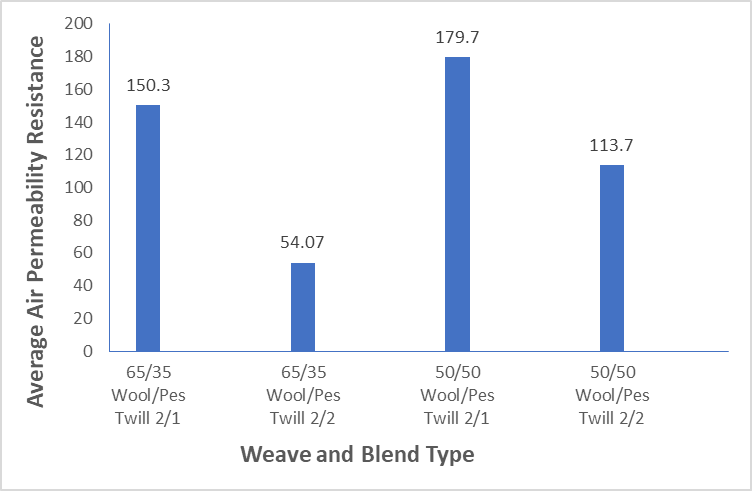
This study evaluates PALF–cotton and PALF–polyester yarns, produced via conventional ring spinning, against 20 Ne 100% cotton, assessing key Uster® parameters including unevenness, CVm%, hairiness, defects, and elongation.